High-Purity Research Peptides
Our research peptides are synthesized to the highest standards of purity (≥99%). We specialize in regenerative research compounds and metabolic study reagents for laboratory use only.
Peptides — Research Context (RUO)
This category is curated for laboratory researchers sourcing Research Use Only (RUO) materials with clear documentation and consistent analytical profiles. Rather than acting as a generic “filter,” this page is designed as a research-facing landing page that explains what compounds in Peptides are typically studied for, how purity is evaluated, and what to look for when comparing suppliers.
Compounds in the Peptides category are typically sourced for analytical work, controlled experimental workflows, and comparative studies where documentation and traceability matter. When selecting RUO materials, researchers often prioritize consistent chromatography profiles, identity confirmation, and clear storage guidance.
Peptide-specific context: research peptides are commonly supplied as lyophilized powdersto improve stability during storage and shipment. Researchers frequently evaluate peptides by reviewing chromatograms, identity signals, and batch traceability. In practice, “quality” is not a slogan — it shows up as consistent peak shapes, repeatable results across lots, and clear documentation of the analytical method used.
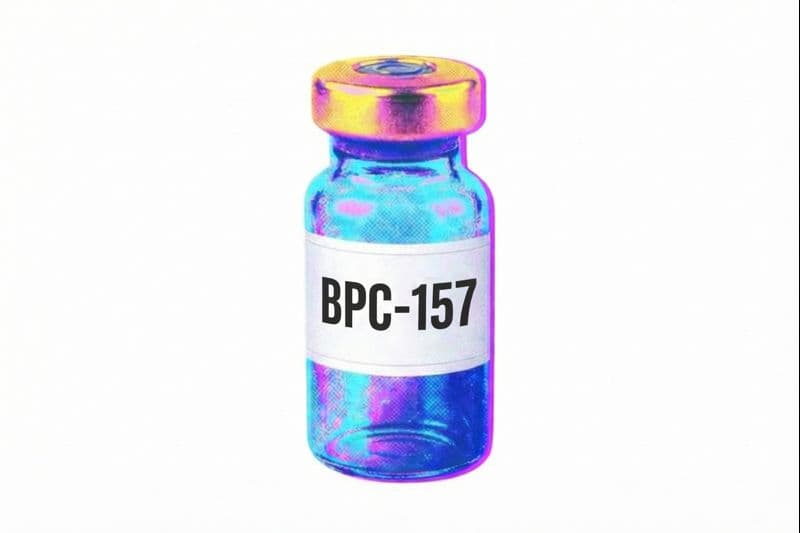
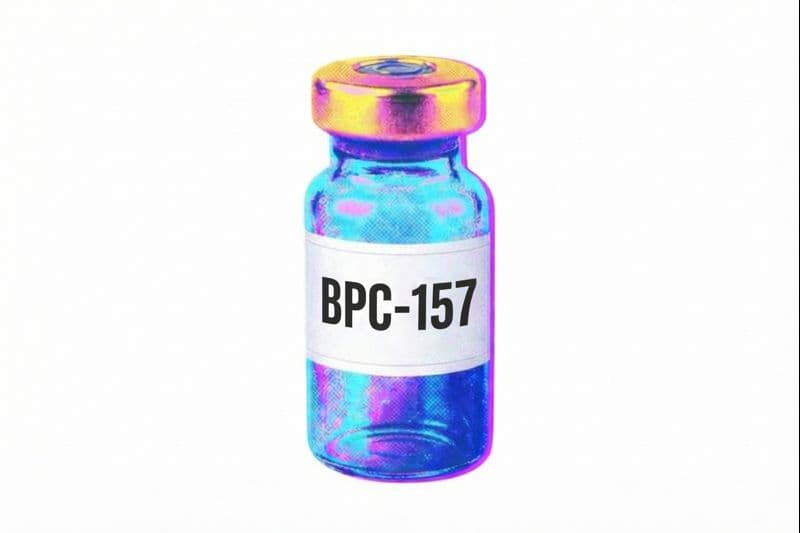
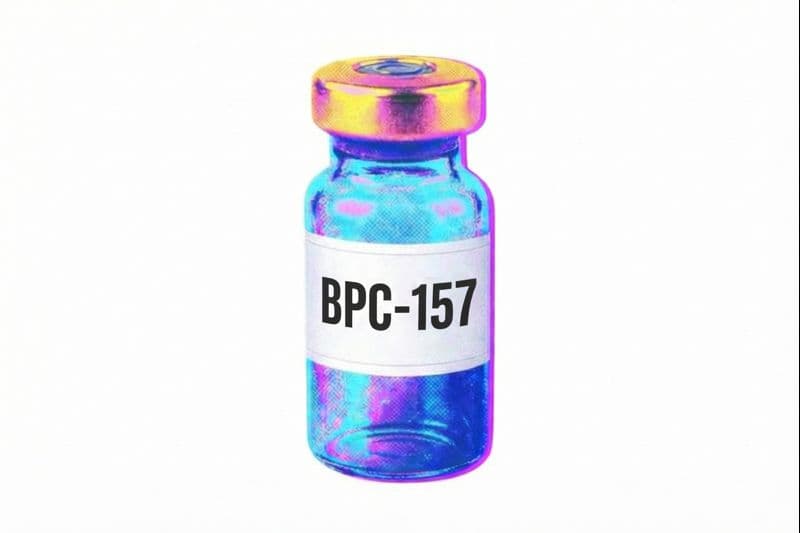
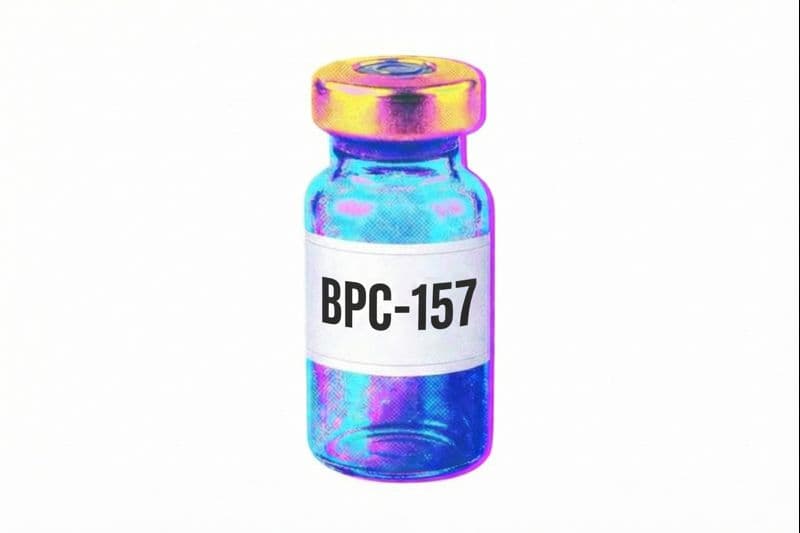
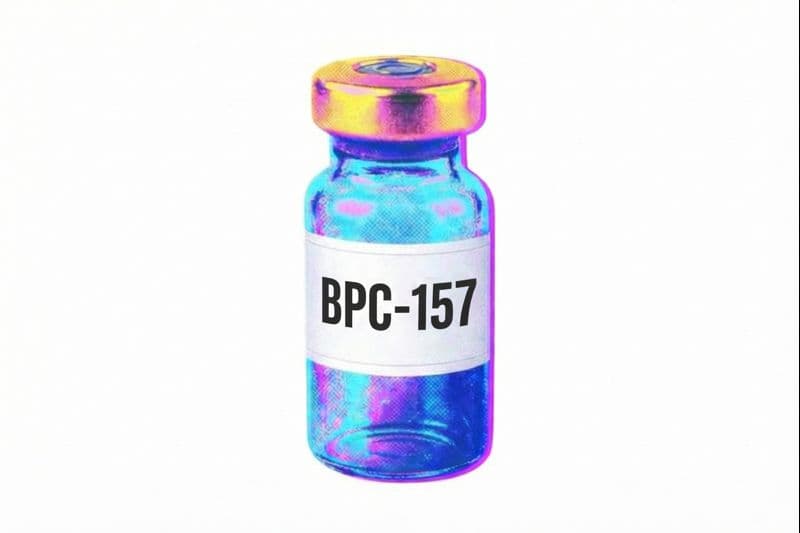
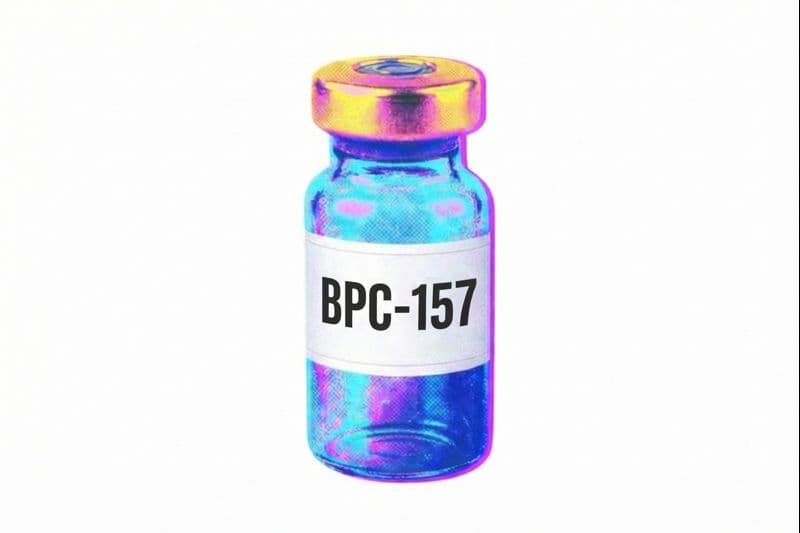
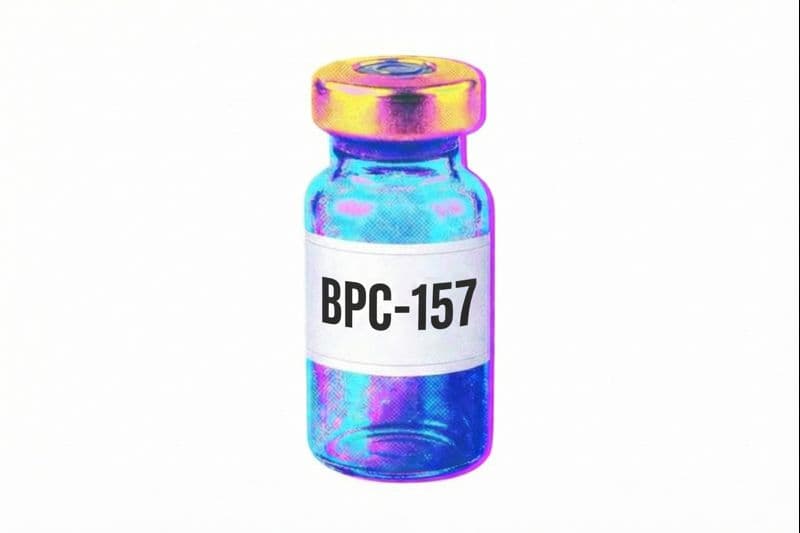
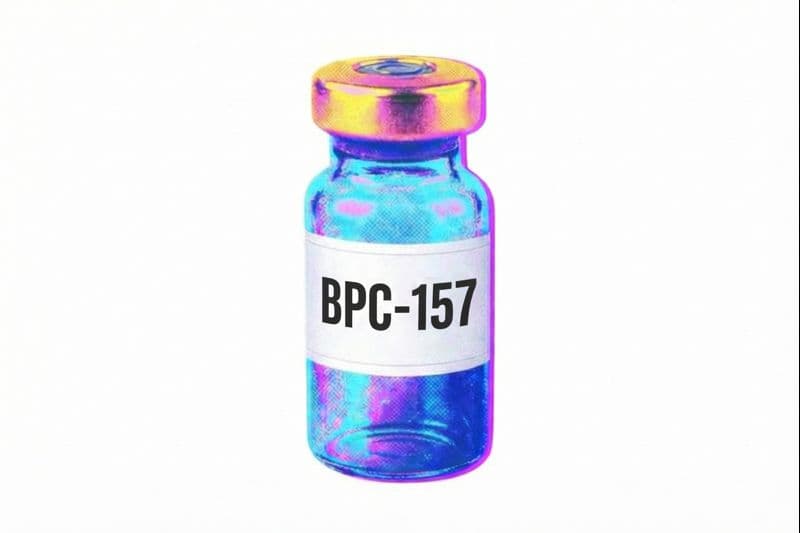
For example, BPC-157 (5mg) is commonly referenced by researchers as a well-known RUO peptide where documentation and analytical transparency are key supplier-selection criteria.
Synthesis & characterization: peptides are typically produced via solid-phase peptide synthesis (SPPS), then purified and characterized. For RUO procurement, the decision points are often: purity reporting (HPLC area %), identity confirmation (MS), and practical handling expectations (temperature, moisture sensitivity, and stability after reconstitution). If you’re standardizing procurement for a study, we recommend defining your acceptance criteria up front (e.g., minimum purity threshold and documentation requirements).
Purity & testing: purity is commonly reported as an HPLC area percentage, while identity confirmation may include Mass Spectrometry (MS). A strong COA indicates not only a purity number, but also the test method context and batch traceability. Learn more about our documentation approach on Quality Standards.
Handling expectations: RUO materials should be stored and handled using standard lab best practices: protect from light and moisture, store at appropriate temperatures (often -20°C for lyophilized material), and minimize freeze–thaw cycles after reconstitution. These controls help reduce variability and improve experimental repeatability across runs.
Featured in Peptides
Common research questions
Are these products for human consumption?
What documentation should I expect?
How do I choose between products in this category?
Note: This page is for research education and documentation context only. RUO — not for human consumption.